


When joint pain occurs, 90% of patients rush to the Internet for knowledge rather than to a rheumatologist.Such a desire for self-education is commendable as long as it does not result in self-diagnosis.Since arthritis of various etiologies and arthrosis have similar causes of occurrence, pain symptoms and similar localization, they are often confused.But after self-treatment, the complaints not only do not go away, but even intensify.The fact is that the difference between arthritis and arthrosis lies not only in different suffixes (where “-itis” means acute, sudden and rapidly developing inflammation, and “-oz” means a chronic, slowly growing disease).
Is the nature of arthritis and arthrosis the same or different?
Arthritis is an inflammatory process, most often associated with autoimmune diseases, previous infections, hormonal imbalances and metabolic factors that affect the general condition of the body.In this case, pathological changes occur in the joint fluid (whereas with arthrosis there is insufficient production of it) and connective tissue.
Inflammation usually manifests itself against the background of rheumatoid arthritis, starting from 25-30 years, or genitourinary, intestinal bacterial infections.The changes mainly affect the synovial membrane of the joint, where the blood vessels are concentrated.
Arthritis often causes complications in the heart, kidneys and liver, not limited to damage to the joints.
Osteoarthritis is a non-inflammatory, degenerative disease caused by natural wear and tear of joint surfaces.Thinning of the cartilage can be caused by excessive loads, changes in hormonal levels, age-related changes in the patient’s body, and axial load disorders (for example, due to curvature of posture or improperly healed fractures).
Osteoarthritis is accompanied by decreased mobility in the joint and the formation of osteophytes.Unlike arthritis, it leads to mechanical local deformation of the joint capsule and bones, but does not affect other organs and systems.The disease attacks the entire cartilage.With arthrosis, inflammatory processes can also be observed, but they are not permanent and usually occur in the second and third stages of the disease.
Where the difference between arthritis and arthrosis is especially noticeable is the age of onset of the disease.The overwhelming number of patients with osteoarthritis are in the age category of 65 years or more, but the first symptoms can be observed at the age of 45 years.Arthritis affects young, able-bodied people under 55 years of age and can even occur in children and adolescents.
Symptoms: how does arthritis differ from arthrosis in sensations?
The difference between arthritis and arthrosis is that arthritis begins with joint swelling, erythema (redness and warmth of the skin) and sharp pain that is not related to the intensity of movement.Painful sensations may even intensify at night (while arthrosis “subsides” after rest).There is often no crunch in arthritis.The pathological condition is usually provoked by stress, fatigue, colds, sore throat, cystitis and more.
The course of an acute episode may be accompanied by:
- increased temperature;
- fever;
- enlargement of the joint due to swelling;
- loss of strength, increased fatigue;
- weight loss.
Depending on the etiology:
- conjunctivitis;
- pain in the urinary tract;
- negative symptoms from organs with an active blood supply (heart, lungs, kidneys, liver).
The first sign of arthrosis is usually muscle discomfort, tension, and the appearance of a dull crunching sound in the joints.Morning stiffness and other signs may appear much later.Symptoms develop gradually, the disease is characterized by a sluggish nature - this is the main thing that distinguishes arthrosis from arthritis.As it progresses, the following appears:
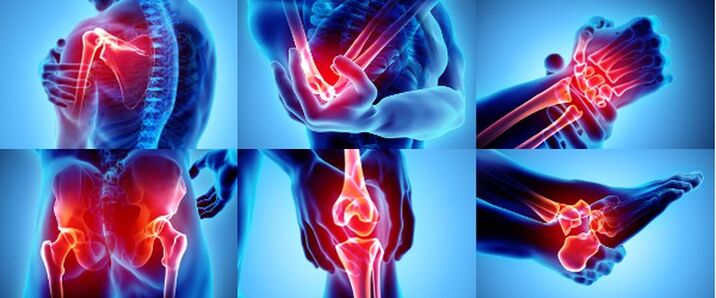
- reduction in range of motion;
- changing the contours of the joint;
- pain that gets worse after exercise.
Redness of the skin and paroxysmal character are not typical for arthrosis unless it is complicated by arthritis.
The nature of sensations during arthritis and arthrosis may be similar, but their mechanisms differ significantly.Thus, the classic symptoms of arthritis (swelling, pain, redness of the skin) are formed due to synovial effusion produced by the joint membrane during inflammation.Symptoms of arthritis are associated with mechanical damage to the articular surface and bone, the formation of bone spurs to distribute the decompensated load.
Localization: what is the difference between arthritis and arthrosis?
Both diseases can affect any joint, but in most cases the location of the pathology can indirectly indicate its nature.So, for example, arthritis has a so-called“affected joints” and “excluded joints” - depending on the prevalence of the disease.
Arthritis primarily affects:
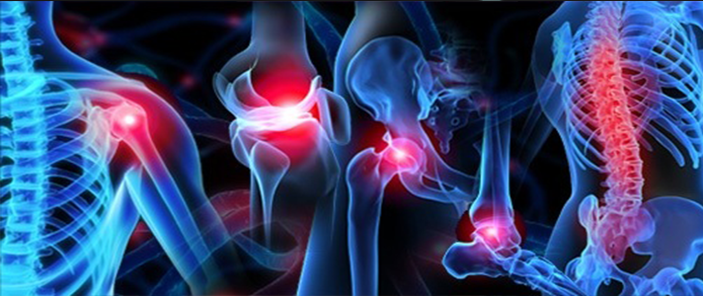
- wrist and metacarpophalangeal joints;
- proximal interphalangeal joints;
- knee and ankle;
- metatarsophalangeal (particularly the joints of the big toes);
- elbow joints.
The lesions can be either symmetrical (rheumatoid arthritis) or asymmetrical (psoriatic and other types).
Arthrosis selects load-bearing joints, which anatomically experience greater load.These include:
- knee;
- metacarpophalangeal joints of the thumbs;
- distal finger joints;
- hip;
- ankle;
- intervertebral.
How does arthritis differ from arthrosis of the joints when diagnosed?
The primary diagnosis of arthritis and arthrosis involves visual examination and palpation of the joints that have become the source of complaints.Previous illnesses and injuries can also provide a clue.
A comprehensive blood and urine test can determine the difference between arthritis and arthrosis.It can determine the presence of bacterial pathogens, elevated white blood cell counts, rapid erythrocyte sedimentation, and other markers of inflammation (for example, rheumatoid factor. If the result is “clean,” other tests are prescribed.
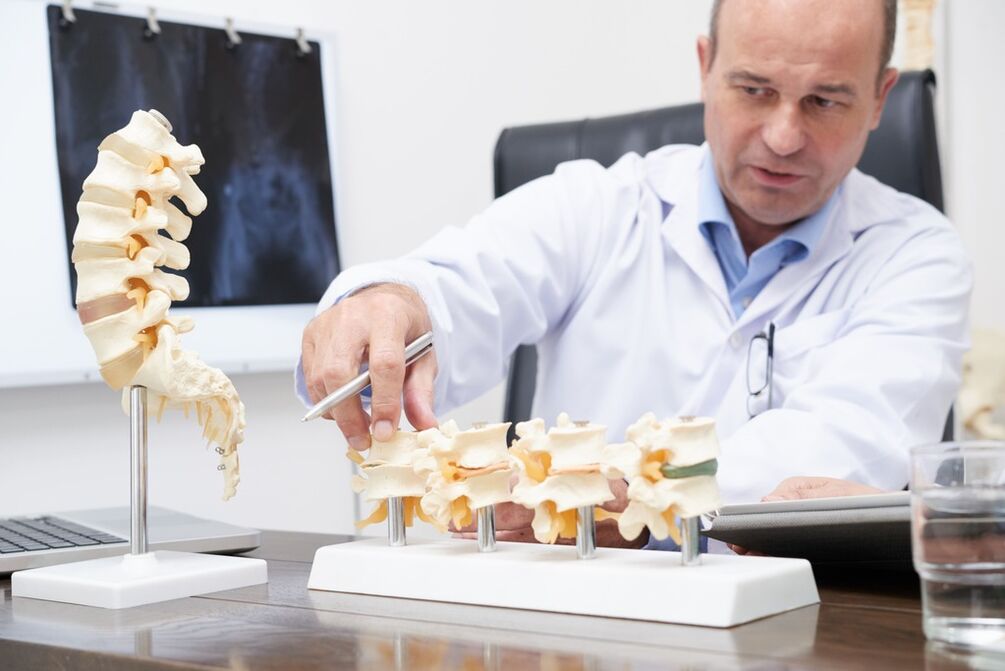
An x-ray for arthrosis shows a narrowing of the joint space, thinning of the cartilage layer, and also, depending on the stage of the disease, the presence of osteophytes.With arthritis, no visible changes are noted.
Diagnosis can use hardware research methods (ultrasound, CT, MRI) and minimally invasive interventions (arthroscopy).
What is the difference between treating arthritis and arthrosis?
Let's start with the forecasts.Arthrosis is always incurable - it is a chronic disease and can only be contained.Arthritis can be either chronic (rheumatoid, idiopathic, psoriatic) or transient (infectious).
Let us take a closer look at the features and fundamental differences in the treatment of these diseases.
Arthritis treatment
You can get rid of infectious arthritis before the onset of destructive changes in the joint with timely treatment with antibiotics.The key role is played by the correct selection of the drug (for this you may have to take an antibiogram).In this case, due to self-medication, you can lose valuable time.

Rheumatoid arthritis requires lifelong treatment with corticosteroids, cytotoxic drugs and NSAIDs.Their use requires regular consultation with a doctor due to the negative impact on the body (especially if the dosage and duration of the course are not observed).New biological products demonstrate high efficiency - they reduce the severity of symptoms of the disease (pain and swelling).
If necessary, analgesics are prescribed - systemic or local.Complex therapy also includes diet, physiotherapy, and therapeutic exercises.If the disease has affected other organs, it is necessary to obtain advice from specialized specialists.
Treatment of arthrosis
In the early stages of arthrosis, drugs and physiotherapeutic techniques are extremely effective, which enhance regeneration, nutrition and moisture supply to the cartilage tissue.Regular use of chondroprotectors can significantly improve the quality of life at all stages of the disease, except the last.

Nonsteroidal anti-inflammatory drugs and corticosteroids are prescribed symptomatically to relieve inflammation and begin basic therapy.Analgesics are also used according to the same principle - usually local, in the form of gels and creams.As with arthritis, physical therapy and physiotherapy are indicated, but the techniques will differ.Optimal choice: electrophoresis, magnetic therapy, mud therapy and others.
What is the difference between the treatment of arthritis and arthrosis?The main emphasis is on the “restoration” of the cartilage capsule.However, in advanced cases, surgical treatment may be required, including joint replacement.
Are these two diseases related?
Symptoms of arthritis and arthrosis often occur together, which complicates differential diagnosis.Inflammation can occur as a consequence of arthrosis, but arthrosis can also develop due to arthritis (for example, when cartilage tissue is damaged by uric acid crystals).
Often the difference between arthritis and arthrosis is blurred, so a hybrid definition is used in diagnosis: osteoarthritis.It refers to a disease that combines degenerative and inflammatory symptoms (they do not appear at the same time).This condition is typical for the second or more stages of osteoarthritis, when disruption of the cartilaginous structure of the musculoskeletal system leads to local inflammation.
Prevention of arthrosis and arthritis includes giving up bad habits, maintaining a healthy orthopedic regimen and diet.Weight is subject to control.Sports should be done regularly, but without overload, with preliminary stretching.Shoes, pillow, workplace should be comfortable.In the prevention of arthritis, timely vaccination, treatment of infectious diseases, maintaining dental health and high immunity are important.Avoid hypothermia, stress and physical overload!
We hope this information helped you understand the difference between arthritis and arthrosis!